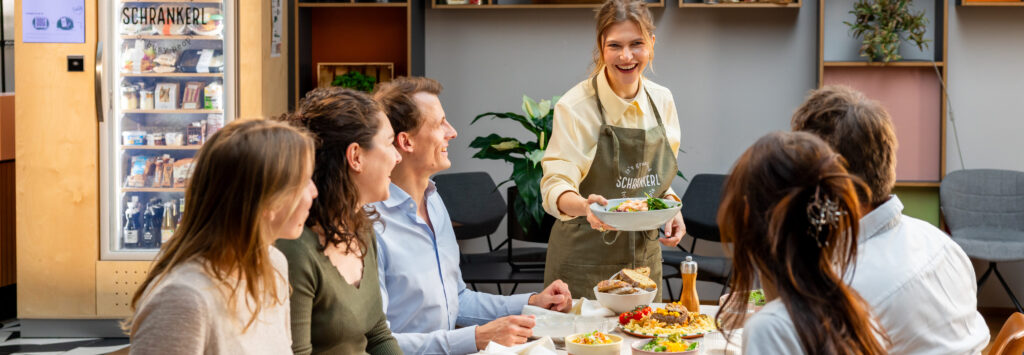
Corporate Dining: How Companies in Austria Solve Employee Catering Today
Anyone responsible for employee catering in the office knows that a lot has changed in recent years. Workplace dining has become an important topic in the areas of employee benefits and employer branding. Nowadays, employees expect more than a small kitchen with a microwave or a vending machine with pre-packaged bars. At the same time, companies do not want to set up complex infrastructure. Between these two poles, a wide range of food solutions has developed – from classic catering to smart refrigerators directly in the office.
This article provides a structured overview: what is available, what works, what doesn’t – and why more and more businesses in Austria are exploring new paths.
As a Digital Marketing Working Student, she ensures that Schrankerl is a delight online as well. With fresh ideas, great commitment, and a digital flair, she brings creativity and energy to the team — and to every screen! 💚
What is “Corporate Dining” exactly?
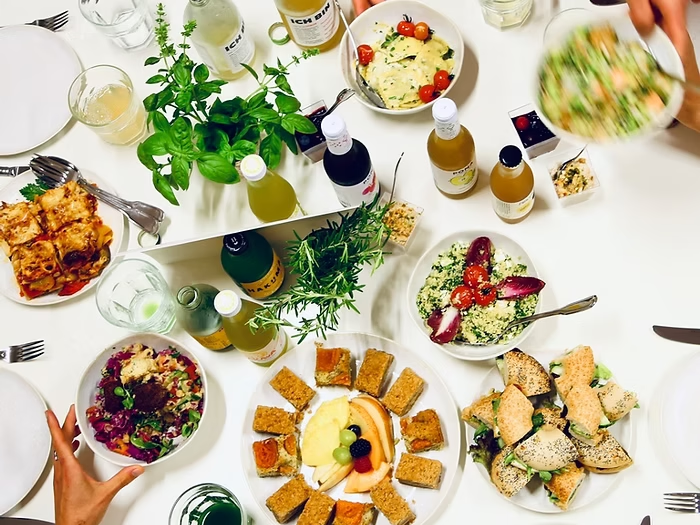
The term “Corporate Dining” encompasses all organized forms of employee catering. It refers to concepts and services that companies use to provide their employees with access to meals or snacks at the workplace.
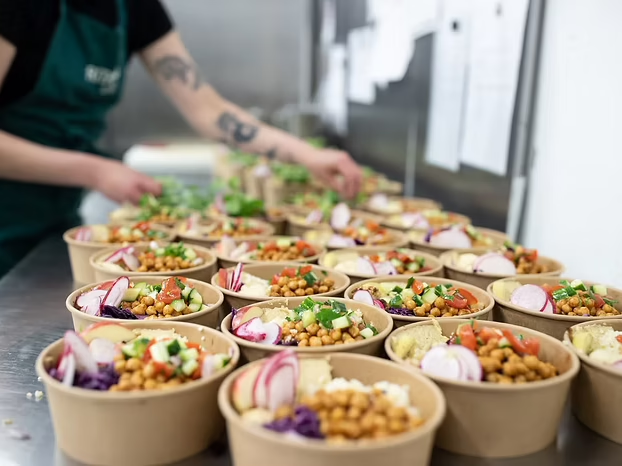
This can look very different: catering for a weekly team lunch, a contract with a local delivery service, meal vouchers, an on-site company cafeteria, or an automated refrigerator system. What all variants have in common: the company takes – at least partial – responsibility for ensuring its workforce is well-fed.
Employee catering is not a luxury that only large corporations can afford. It is a real lever for productivity, satisfaction, and employer attractiveness, even for smaller companies with approximately 30 employees or more.
Which food solutions do companies use today?
The market offers many possibilities. Not all of them fit every business. Here is an overview of the most common concepts:
Cafeteria or Company Restaurant
An on-site cafeteria is the most common form of employee catering for larger companies in Austria. Employees receive freshly cooked meals daily at subsidized prices.
Advantage: Daily provision, social function, high volume possible.
Disadvantage: Significant investment and operating costs. Hardly economically feasible for companies with fewer than approx. 200 people. Requires space, staff, and hygiene compliance.
Classic Catering
Catering is another form of corporate dining. In this case, prepared meals are delivered directly to the office by external providers at an agreed time, and sometimes set up and served on-site. This is frequently used for business lunches, meetings, or events.
Advantage: High quality, minimal effort on the day of the meal.
Disadvantage: Advance planning required, little flexibility for individuals, relatively high cost per person. Classic catering is only partially suitable for daily meals.
Meal Vouchers and Meal Allowances
Many Austrian companies rely on meal vouchers or digital meal allowances like Edenred. Employees receive a daily amount that they can redeem at participating restaurants or supermarkets.
Advantage: Tax-advantaged, easy to administer, no dedicated infrastructure necessary.
Disadvantage: Usage depends on the surrounding options. Those working in remote locations or with little time for lunch breaks benefit very little. Control over the quality and balance of meals lies entirely with the employee.
Office Delivery Services
Some providers specialize in delivering meals directly to the office. Employees order individually – or the company organizes a group order.
Advantage: Individual selection, wide range of options.
Disadvantage: Coordination effort, fluctuating delivery times, often high one-time costs, significant packaging waste. The organizational effort for regular team catering is high in the long run.
Intelligent Refrigerators at the Workplace
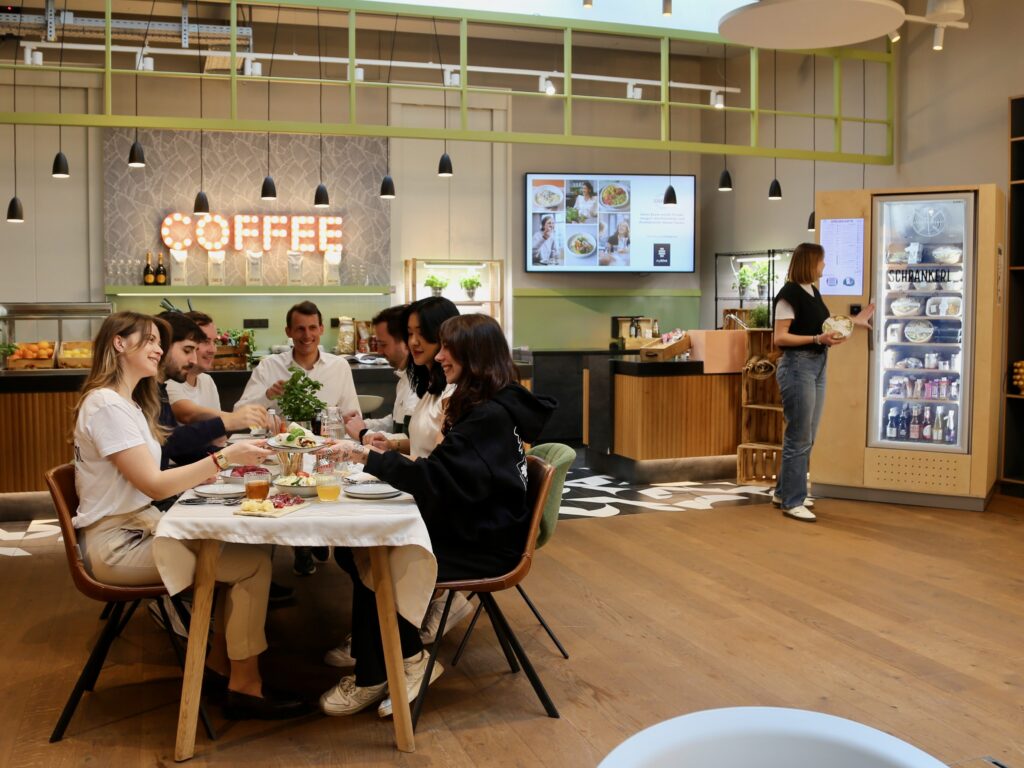
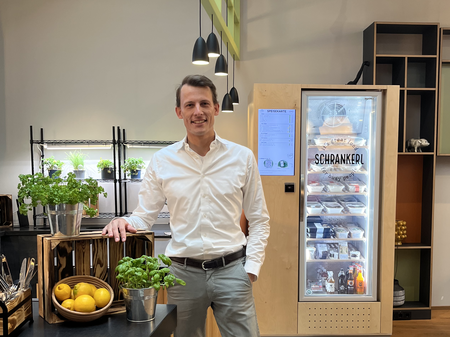
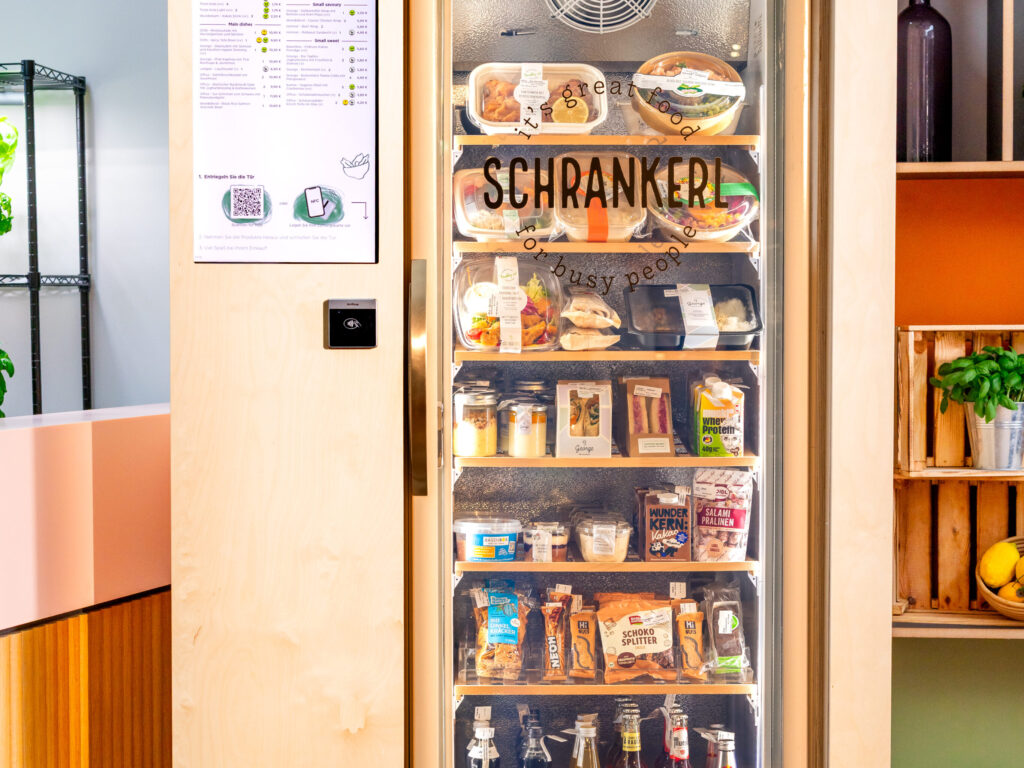
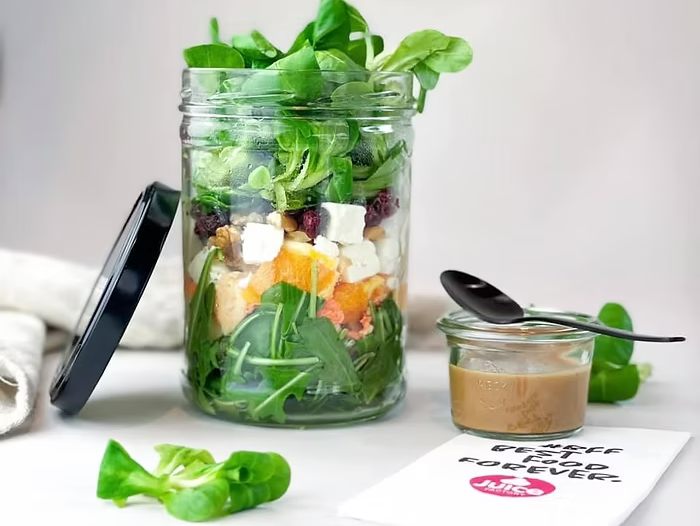
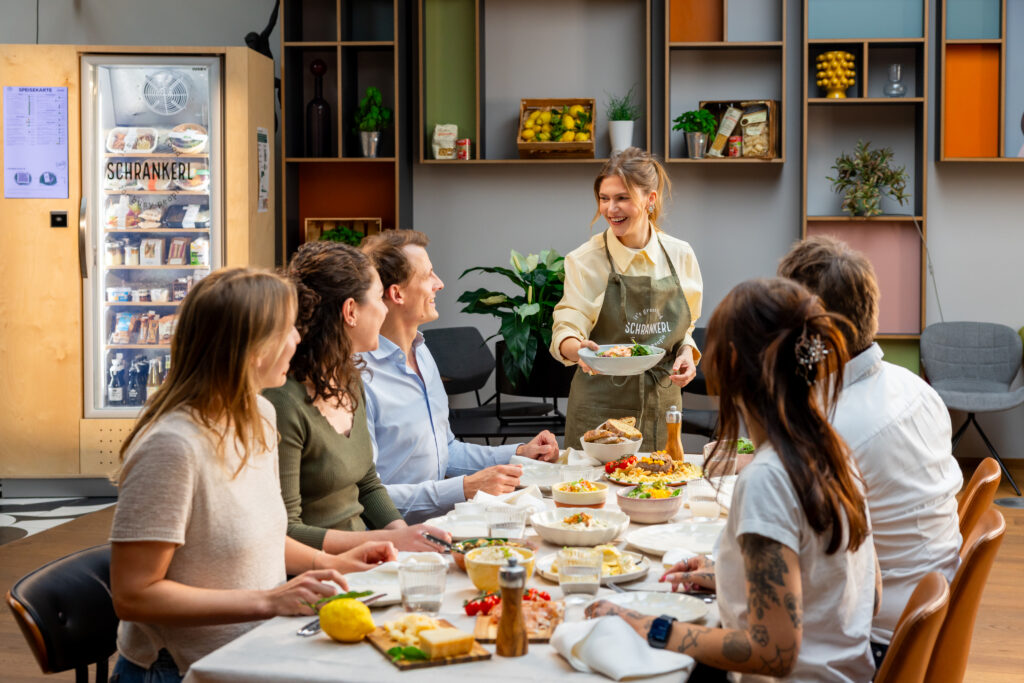
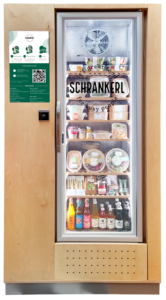
The newer model in employee catering: smart refrigerators like Schrankerl are installed directly at the company and filled daily or several times a week with fresh meals, snacks, breakfast options, and drinks.
Advantage: 24/7 access, payment via app or card, no dedicated staff needed, no investment in infrastructure, fresh daily catering.
Disadvantage: Selection depends on the provider’s restocking cycle and assortment.
Which solution fits which company?
No single solution is universally right. The decision depends on three factors: company size, location, and budget.
Small businesses (up to approx. 50 people): An on-site cafeteria is difficult due to space and investment costs. Catering is usually only affordable and sensible for special occasions. Meal vouchers combined with a smart refrigerator concept would be well-suited.
Medium-sized companies (50–200 people): This company size usually requires a permanent solution for employee catering. Meal vouchers alone are often not enough – especially if the location is not central. Intelligent refrigerators offer a scalable alternative here that works without large upfront investment.
Larger businesses (200+ people): Businesses with more than 200 employees have the option for on-site corporate dining. However, this still involves high effort. Hybrid models – a cafeteria plus refrigerator stations in different parts of the building – are becoming more common here.
Location: Those located in industrial parks or on the outskirts of town will find little joy in meal vouchers if the nearest restaurant is far away. Refrigerator solutions are location-independent.
Budget: Costs vary greatly and are therefore difficult to generalize. Meal vouchers are easy to calculate per month. Refrigerator concepts usually have no setup fee – the provider bears the risk. Catering and cafeterias are more expensive to implement.
Comparison of Office Dining Solutions
| Costs | Flexibility | Administrative Effort | 24/7 Availability | |
|---|---|---|---|---|
| Cafeteria | High (staff, rent, equipment) | Low (fixed opening hours) | High (staff, purchasing, hygiene requirements) | No |
| Catering | Medium to high (depending on provider & frequency) | Medium (usually fixed delivery times) | Medium (ordering, coordination) | No |
| Meal Vouchers | Medium (tax-advantaged up to allowance) | High (free choice of restaurant) | Low (one-time setup) | Yes (usable outside office hours) |
| Office Delivery Services | Medium to high (delivery fees, variable order costs) | Medium (dependent on delivery times & restaurant selection) | Medium (daily order coordination, group orders) | No (tied to restaurant opening hours) |
| Smart Refrigerators like Schrankerl | Low to medium (no staff or rent costs) | Very high (access anytime, free choice) | Very low (delivery & restocking by Schrankerl) | Yes (24/7 directly in the office) |
Why Corporate Dining is Beneficial for Companies and Their Employees
Productivity: Those who have long commutes at lunch or cannot schedule a lunch break eat poorly – or not at all. Both affect concentration and performance. Furthermore, catering directly at the workplace reduces downtime.
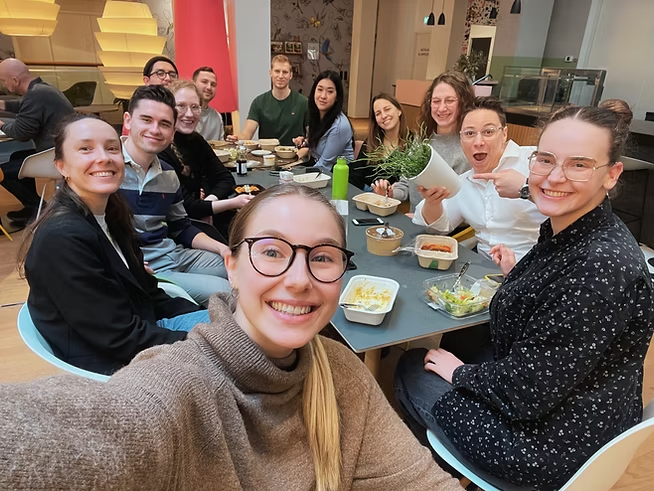
Employee Satisfaction: Eating is a daily experience. When employees notice that their employer is thinking about this, they perceive it as appreciation. This increases well-being in the workplace.
Employer Attractiveness: The market for skilled labor is tight. Employee benefits that are actually relevant every day stand out – more than one-time bonuses or abstract additional services.
Workforce Health: Those who have a balanced meal at hand are less likely to reach for fast food or sweets. For companies with long shifts or little break infrastructure, healthy and fresh catering is essential.
👉🏼 Learn more about this in our blog on Corporate Culture
Why Many Companies are Moving Away from Classic Models
Cafeterias are expensive to operate. Catering works for events, but not for everyday life. Delivery services create coordination effort. Meal vouchers do not help where infrastructure is lacking.
HR managers in Austria want to offer a meal benefit for employees without tying up half a position for the administration of food orders. For this reason, interest in uncomplicated solutions is growing.
This is particularly noticeable in companies that work hybrid or have shifts: classic cafeterias, catering, or meal vouchers only serve specific times. Those who arrive at 7 AM or stay until 7 PM often simply have no access to a warm meal. Flexible catering – i.e., offerings available around the clock – closes this gap.
Office Dining: What Modern Teams Expect Today
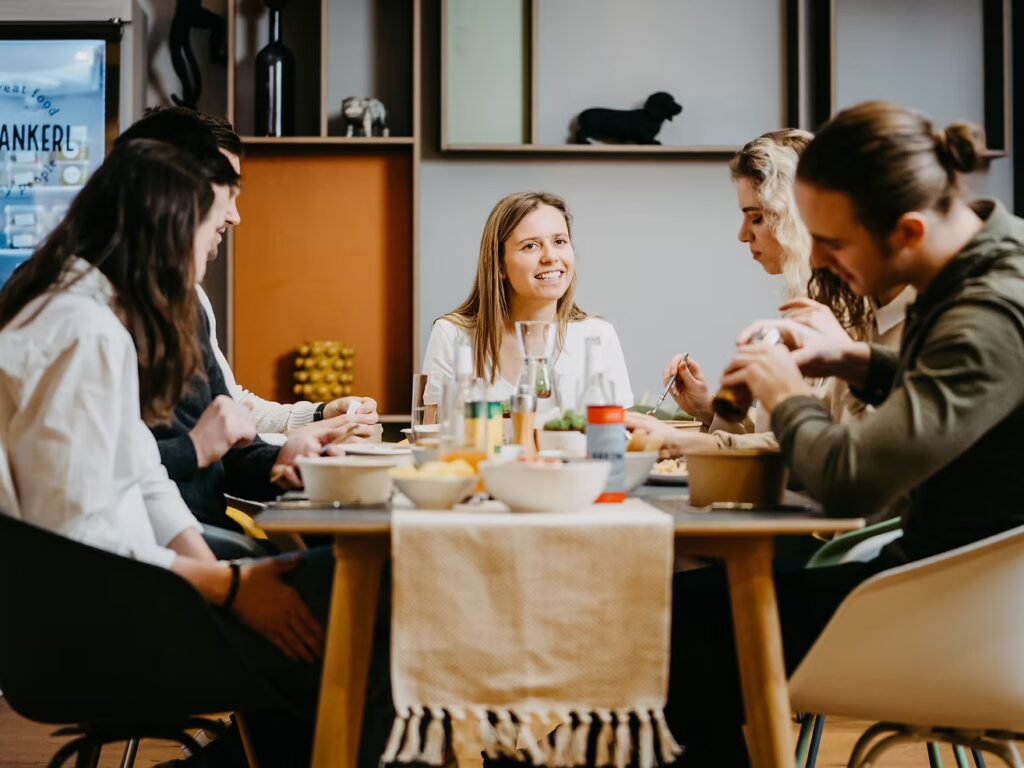
When it comes to office dining, many first think of the classic cafeteria or the fruit basket at reception. But employee expectations have changed: there is a demand for catering that is flexibly available – not just at lunchtime, but also early in the morning or after a long meeting in the evening.
This is exactly where modern office dining comes in: instead of fixed meal times and long wait times in the cafeteria, employees get access to fresh, high-quality meals directly at the workplace at any time. For companies, this means less organizational effort, and for employees, more flexibility in their daily work routine – a benefit that increasingly influences the choice of employer.
Office dining with Schrankerl means: no cafeteria operations, no delivery times, but a smart refrigerator directly in the office.
Schrankerl as a Modern Alternative for Corporate Dining
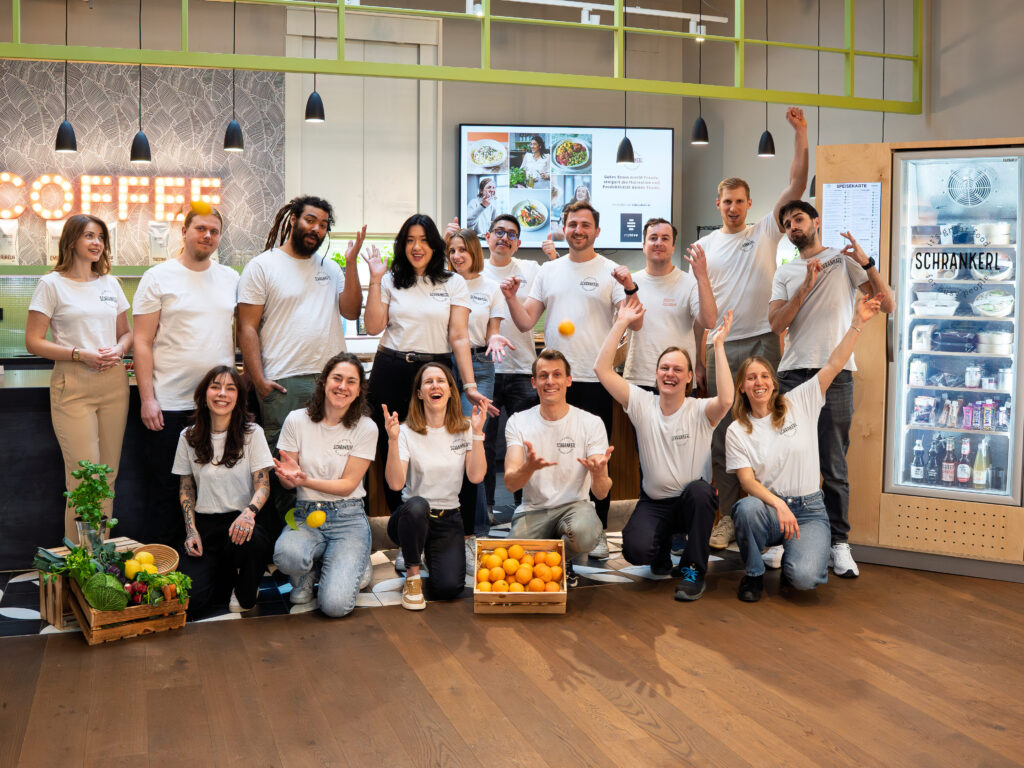
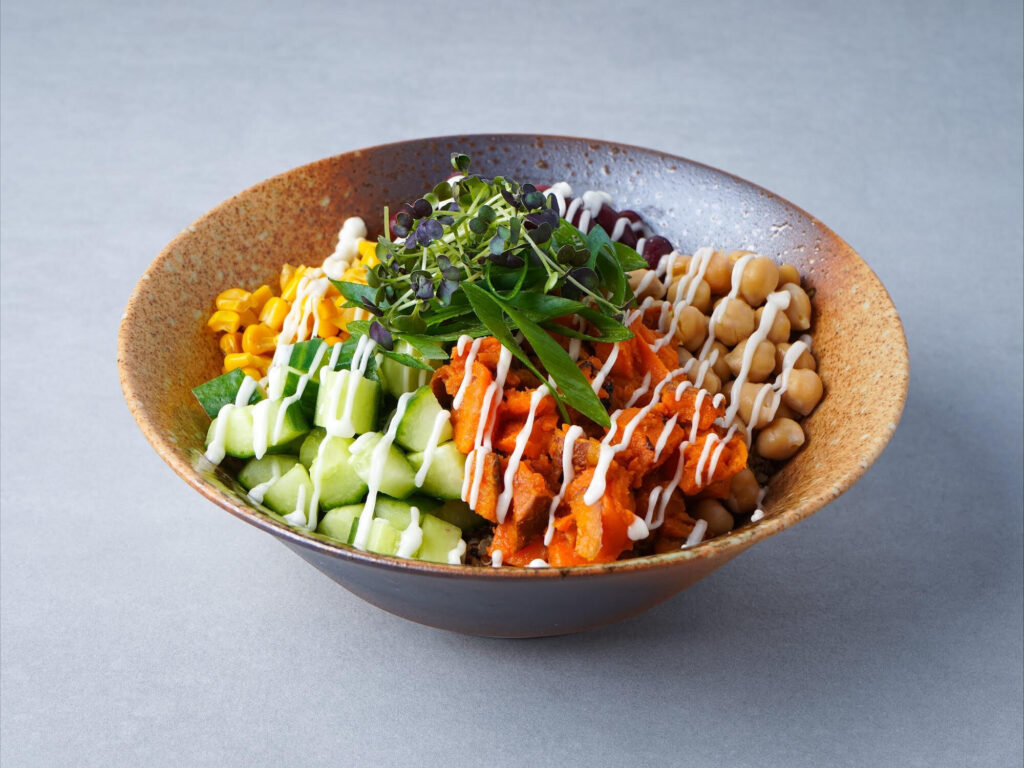
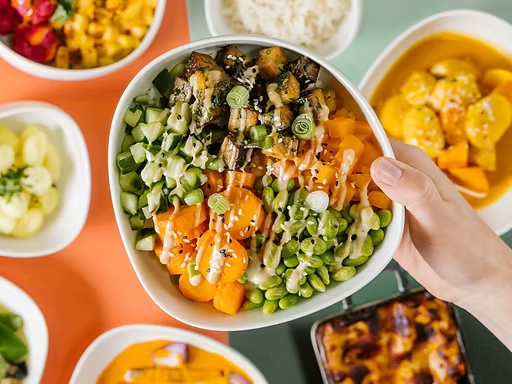
Schrankerl is an Austrian concept for employee catering based on intelligent refrigerators. The Schrankerl units are set up in the office or on the company premises and filled daily with fresh dishes from regional producers: main courses, snacks, breakfast options, drinks – all from regional production.
For companies, this specifically means:
- No dedicated staff – Schrankerl handles restocking and maintenance
- No infrastructure investment – the refrigerator comes without a setup fee
- 24/7 access – not just during the classic lunch break
- Flexibly scalable – whether for 30 or 300 employees
- Transparency – employees see what’s inside and pay directly
The concept is aimed at companies looking for a permanent solution for food provision within the company without significant administrative effort.
👉🏼 Learn more about Schrankerl here
“Schrankerl brings high-quality, varied food for every taste – easy to use and popular with our employees.”
Conclusion
Corporate dining is not a one-size-fits-all topic. What works for a company with 500 employees in an office building in central Vienna does not necessarily work for a manufacturing plant with rotating shifts on the outskirts of Graz.
The decision for the right solution depends on location, team size, budget, and the daily routine of the workforce. One thing is clear: those who view employee catering purely as a cost center underestimate its effect on satisfaction, retention, and performance.
For companies looking for a pragmatic, everyday solution – without their own cafeteria, without administrative effort – modern concepts like Schrankerl’s are a serious option. Fresh meals, regional origin, no fixed cost risk, available 24/7.
Frequently Asked Questions
A structured catering solution becomes economically viable for companies with approximately 30 employees or more. Meal vouchers and smart refrigerator systems are also well-suited for smaller teams, as they do not require dedicated infrastructure.
Employee catering encompasses all organized measures by which a company provides its employees with access to meals or snacks at or near the workplace. This ranges from meal vouchers and catering services to refrigerator systems offering fresh food.
In Austria, meal vouchers or meal allowances can be granted tax-free up to a certain limit (as of 2026: up to €8 per day). The exact amounts and conditions are regulated by the Austrian Income Tax Act. For current figures, it is advisable to consult with a tax advisor or the WKO.
Institutional catering refers to permanently operated catering facilities such as canteens or company restaurants. Corporate catering is usually event-based: Meals are delivered or prepared on-site for an event or a defined period.
Offices with fixed working hours can effectively utilize catering, delivery services, or smart refrigerators . The latter are significantly better suited for shift or production facilities, where employees eat at varying times, requiring systems available around the clock.
Yes. Especially for SMEs without their own cafeteria, flexible concepts without fixed cost risks are attractive. Providers like Schrankerl provide the unit without a setup fee – the risk lies with the provider, not the company.
As a Digital Marketing Working Student, she ensures that Schrankerl is a delight online as well. With fresh ideas, great commitment, and a digital flair, she brings creativity and energy to the team — and to every screen! 💚
More Articles
Lorem ipsum dolor sit amet, consetetur sadipscing elitr, sed diam nonumy eirmod tempor invidunt ut labore et dolore magna aliquyam erat, sed diam voluptua.