Improving Company Culture: The Most Frequent Questions – and Honest Answers
Company culture is one of those topics that almost every company talks about, but not every company truly understands. What exactly does it entail? How can it be specifically improved? And what does lunch have to do with it?
In this FAQ blog, we answer the most important questions regarding “improving company culture”, with a special focus on Austrian companies. Those who wish to delve deeper will find a comprehensive guide with concrete implementation tips in our main article “7 Concrete Measures to Strengthen the Company Culture of Austrian Companies”.
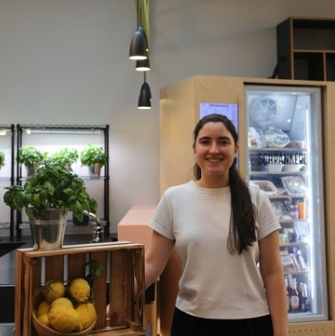
As a Digital Marketing Working Student, she ensures that Schrankerl is a delight online as well. With fresh ideas, great commitment, and a digital flair, she brings creativity and energy to the team — and to every screen! 💚
1. What is Company Culture – and Why is it So Important?
Company culture – also known as corporate culture – encompasses the invisible rules of a company. Not the ones that are talked about, but the ones that are felt when no one is watching. This includes lived values, how employees are treated, and the nature of decision-making: How does a manager react when someone makes a mistake? Is there open criticism in front of the team – or a factual discussion in private? In a strong company culture, employees are proud of their work and more motivated. They feel understood and integrated, and the leadership style is transparent.
Why is Company Culture Important?
Because corporate culture has a direct impact on performance, turnover, and attractiveness as an employer. Studies, including one from the University of Warwick, show that companies with a strong company culture lead to lower absenteeism, higher productivity, and improved employee retention. A company with a vibrant, positive company culture can stand out, especially in the competition for skilled workers.
2. How Can Company Culture Be Specifically Improved?
There is no one-size-fits-all solution – but there are proven measures that can be implemented and have a demonstrable effect in practice. Here are the most important ones:
Make Communication Transparent
Employees want to hear current news from their employer to know where the company is headed. Therefore, regular all-hands meetings, open Q&A formats, or a weekly newsletter from management are recommended. They lead to more trust and orientation.
Show Appreciation in Daily Company Life
Continuous, brief check-ins on well-being in the company, as well as compliments, often have more impact than an annual speech of praise. Appreciation doesn’t have to be grand – but it must be regular and sincere.
Understand Leadership as a Culture Bearer
Leaders and their behaviors are direct evidence of a functional (or non-functional) corporate culture. Leaders who exemplify trust, openness, and respect create precisely this atmosphere within the team.
Introduce Rituals for Company Culture
Shared rituals, such as team lunches, informal Friday gatherings, or a monthly feedback session, foster a sense of belonging and provide structure to the workday. This not only strengthens team cohesion but also increases employee motivation.
Involve Employees
When elements of company culture are shaped together with the team, a sense of belonging and connection becomes tangible. This also makes it easier for employees to identify with the company.
Tangible Employee Benefits
Concrete employee benefits convey appreciation and demonstrate the company’s interest in the professional and personal development of the team. These benefits can include home office policies, further training opportunities, and even meal benefits.
You can find concrete measures with an Austrian focus in our detailed blog: 7 Measures to Strengthen the Company Culture of Austrian Companies.
3. What Role Does Food Play in Company Culture?
Food as a significant part of company culture is often underestimated.
Shared Meals Create Connection
During a shared lunch with colleagues, people exchange ideas, laugh, and create not only an informal atmosphere but also genuine trust. These are precisely the moments that strengthen team culture.
Office Catering is Visible Appreciation
When a company ensures that employees can eat well and healthily every day – without long commutes, without stress, without expensive personal costs – that’s not just a nice extra. It’s a clear signal that conveys recognition and respect for employees.
Healthy Office as a Cultural Approach
A healthy office environment – with fresh meals instead of typical vending machine snacks – sends a clear message to all employees: health and well-being are not private matters here, but part of the company’s identity.
Well-organized company catering or a meal subsidy not only improves well-being. It reduces mental fatigue in the afternoon, promotes cross-departmental coordination, and measurably increases overall employee satisfaction.
For example, companies can provide their employees with a fresh lunch directly in the office every day. Employees who already have this report positive social experiences in their daily work.
Schrankerl, for instance, offers healthy and flexible employee catering directly in the office in Austria. According to a survey among Schrankerl customers, Schrankerl contributes to 87% of them feeling more comfortable in their company in the long term. Additionally, 75% rate their employer better.
👉🏼 Learn more about Schrankerl here
4. Is Office Catering Tax-Deductible in Austria?
Yes – and that’s an often-overlooked advantage.
In Austria, employers can provide their employees with tax-free meal vouchers or subsidies for meals. The most important points at a glance:
Tax-Free Meal Subsidy
Employers in Austria can offer a tax-free meal subsidy to their employees – and even without a daily maximum limit! The employer can cover 100% of the costs without creating a taxable benefit. Schrankerl is considered company catering directly at the workplace, which is not subject to any monetary limit.
Operating Expense for the Company
A meal subsidy for employees gives companies the opportunity to reduce high non-wage labor costs. In Austria, these amount to approximately 27% of gross earnings. A salary increase thus incurs high costs for both parties. A tax-free subsidy, however, reaches employees net and burdens the company budget significantly less. Vouchers and subsidies must be earmarked (not convertible into cash) to be tax-recognized. Furthermore, the employer must be able to prove their proper use.
Canteen or Subsidy – Both Possible
Whether a company operates its own canteen, has external meals delivered, or issues meal vouchers – in all cases, there are tax structuring options. However, two exemption limits are important:
- Vouchers that can only be redeemed for a meal in restaurants, canteens, or with delivery services are tax-free up to €8 per working day.
- For vouchers that can be used to purchase groceries – for example, in supermarkets – up to €2 per day are tax-free.
Important: The exact amounts and conditions may change. We recommend clarifying the current regulations with a tax advisor.
5. What are the Most Important Elements of a Strong Company Culture?
A strong team culture does not arise from individual factors, but from a continuous interplay of several elements. The most important are:
Trust and Psychological Safety
When an environment is created where employees feel safe enough to contribute ideas, admit mistakes, and openly address concerns, it is called psychological safety in the workplace. It is the basis for innovation, honest communication, and productivity.
Credible Leadership
Leaders who build a foundation of trust with their employees increase engagement and risk-taking. A trustworthy leader is the strongest cultural driver in the company and is characterized by transparency, respect, and interest in employees.
Lived Values
People want to be part of something and feel included. For this, the described values and mission of a company must be tangibly lived.
Recognition and Appreciation
Regular, sincere praise strengthens motivation and emotional attachment to the company. It shows that employees’ work is seen and valued. Recognition doesn’t always have to be material – visibility and respect are often enough.
Rituals and Shared Experiences
Shared routines and experiences as a short break from the workday create belonging and trust. Even a shared lunch, team events, or brief morning check-in rounds have a positive effect.
Fair and Transparent Processes
Decisions that are made transparently and fairly strengthen trust in the organization. Furthermore, employees can identify more easily with the company and its values when they are involved in decision-making processes.
6. What is the Difference Between “Firmenkultur” and “Unternehmenskultur”?
Short answer: None – at least in everyday language.
Both terms describe the same phenomenon: the values, norms, behaviors, and unwritten rules that shape interactions within an organization.
In German-speaking countries, “Firmenkultur” (company culture) and “Unternehmenskultur” (corporate culture) are used synonymously. In academic literature, a distinction is sometimes made between organizational culture (the broader scientific term) and corporate culture (the business context) – but in practice, this difference plays hardly any role.
More relevant than the terminological debate is the question: How is the culture actually lived in your company? Because that determines how employees experience their workday and whether they want to stay.
Conclusion: Improving Company Culture Starts Today – Not Sometime Later
Company culture is not a one-time project that can be completed in a short time. It is a continuous process that requires daily collaborative effort. The good news: You can start tomorrow. With an honest conversation, a small gesture of appreciation, or by having the team eat lunch together again.
That’s exactly where Schrankerl comes in. As a provider of fresh, regional office catering in Austria, we help companies make more of their lunch break – namely, a true moment of community.
You can find more concrete measures to strengthen your company culture here: 7 Measures to Strengthen the Company Culture of Austrian Companies
Ready to strengthen your company culture with a simple step?
Schrankerl delivers fresh, regional lunch menus directly to your office – uncomplicated, sustainable, and tax-advantaged. More than 140 Austrian companies already trust our office catering.
👉 Book a free trial meal now – and experience how a shared lunch break transforms your team culture.
As a Digital Marketing Working Student, she ensures that Schrankerl is a delight online as well. With fresh ideas, great commitment, and a digital flair, she brings creativity and energy to the team — and to every screen! 💚